
Business Cards: The Essential Networking Tool
A business card is much more than a small piece of paper or card stock—it is a powerful and timeless tool for professional networking. Business cards serve as a physical representation of your brand, helping you establish credibility, communicate essential information, and leave a lasting impression on potential clients, partners, or collaborators. Despite the rise of digital communication, business cards remain a staple in personal and corporate branding, demonstrating their continued relevance in the modern professional world.
The Purpose of Business Cards
Business cards are used primarily for:
- Contact Sharing
They convey key information, such as your name, job title, company, phone number, email, website, and social media handles, making it easy for people to reach you. - Brand Representation
A well-designed business card reflects your personal or company brand, showcasing your professionalism, industry expertise, and attention to detail. - Networking
Exchanging business cards is an effective way to build connections during meetings, events, conferences, or casual encounters. - First Impressions
The design and quality of a business card often shape how others perceive you and your business. A thoughtful card can leave a strong, positive impression.
Key Elements of a Business Card
An effective business card strikes the right balance between aesthetics and functionality. Here are the essential elements:
- Contact Information
- Your name and job title
- Company name and logo
- Phone number, email address, and physical address (if applicable)
- Website URL and social media handles
- Design Features
- Typography: Choose fonts that are professional and easy to read.
- Color Scheme: Stick to a palette that aligns with your brand identity.
- White Space: Leave some blank space to avoid clutter and ensure legibility.
- Visual Branding
- Use your company’s logo, colors, and design elements to maintain brand consistency.
- Add a tagline or mission statement to highlight your value proposition.
- Optional Features
- QR codes for easy access to your website, portfolio, or contact information
- Icons or symbols to represent contact methods (e.g., phone, email, social media)
- A professional headshot for personal branding
Business Card Sizes
While the standard size for business cards varies by region, the most common dimensions are:
- United States and Canada: 3.5 x 2 inches (88.9 x 50.8 mm)
- Europe: 3.3 x 2.1 inches (85 x 55 mm)
- Japan: 3.58 x 2.16 inches (91 x 55 mm)
The standard size is compact enough to fit in wallets and cardholders while offering ample space for information and design.
Materials Used for Business Cards
- Standard Cardstock
A durable and cost-effective option, standard cardstock is widely used for traditional business cards. - Premium Paper
Thicker, higher-quality paper stock provides a more luxurious feel, helping your card stand out. - Textured Paper
Textured finishes, such as linen or cotton, add a tactile element that enhances the card’s uniqueness. - Plastic or PVC
Plastic business cards are waterproof, durable, and modern, often used in creative industries. - Metal
Metal business cards are highly durable and offer a striking, high-end look, though they are more expensive. - Eco-Friendly Materials
Recycled paper, bamboo, or biodegradable materials appeal to environmentally conscious professionals.
Printing and Finishing Techniques
The printing method and finish can significantly impact the look and feel of your business card.
- Printing Methods
- Digital Printing: Affordable and suitable for small batches.
- Offset Printing: Ideal for larger quantities with high-quality output.
- Letterpress Printing: Creates an embossed or debossed effect for a luxurious, tactile feel.
- Foil Stamping: Adds metallic accents in gold, silver, or other colors.
- Finishing Options
- Matte Finish: Non-reflective and smooth, offering a clean and professional look.
- Glossy Finish: Shiny and reflective, making colors pop.
- Spot UV: Highlights specific elements with a glossy finish for emphasis.
- Edge Painting: Adds color to the edges of the card for a unique touch.
- Rounded Corners: Softens the card’s edges for a modern appearance.
Types of Business Cards
- Standard Business Cards
The classic option, designed with simplicity and practicality in mind. - Folded Business Cards
These cards open like a booklet, offering additional space for information, such as a portfolio or list of services. - Die-Cut Business Cards
Custom-shaped cards are cut into unique forms, such as logos or objects relevant to your industry. - Double-Sided Business Cards
Utilize both sides for added information or design elements, such as a map, tagline, or QR code. - Minimalist Business Cards
Focus on simplicity with clean lines, ample white space, and only essential information. - Luxury Business Cards
Premium materials, finishes, and embellishments like gold foil or embossing make these cards stand out.
Digital Business Cards
Digital business cards, also known as virtual or electronic business cards, are a modern alternative to traditional cards. They are shared electronically via email, text, QR codes, or apps.
Advantages:
- Eco-friendly, reducing paper waste
- Easily updated with new information
- Convenient for sharing in remote or online settings
Disadvantages:
- Lack of a tangible, personal touch
- May not suit all industries or situations
Importance of a Well-Designed Business Card
- Creates a Strong First Impression
Your business card is often the first tangible representation of your brand, making it crucial to leave a positive impact. - Enhances Professionalism
A high-quality, thoughtfully designed card signals that you take your work seriously. - Builds Trust and Credibility
Sharing a physical card fosters trust by demonstrating your willingness to connect and maintain professional relationships. - Reinforces Brand Identity
Consistent branding across all marketing materials, including your business card, strengthens your professional image. - Encourages Follow-Ups
A memorable business card increases the likelihood that recipients will reach out and continue the conversation.
Tips for Designing an Effective Business Card
- Keep It Simple
Avoid overcrowding the card with too much text or graphics. Include only essential information. - Prioritize Readability
Choose fonts and font sizes that are easy to read. Use contrasting colors to make text stand out. - Highlight Key Information
Make your name, company, and contact details prominent. - Stay Consistent with Branding
Use colors, fonts, and logos that align with your brand identity. - Choose High-Quality Printing
Invest in professional printing services to ensure your card looks polished and durable. - Add a Call to Action
Encourage recipients to visit your website, follow your social media, or contact you.
Conclusion
Business cards remain a vital tool for networking and building professional relationships. Whether you choose a traditional or digital format, your business card should be a reflection of your brand and an extension of your professionalism. With thoughtful design, quality materials, and effective communication of your information, a business card can leave a lasting impression, helping you stand out in a competitive world.
Showing all 7 results
-
 £0.00
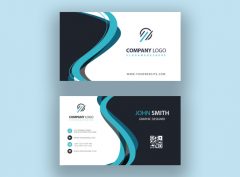
£0.00Economy Business Cards
Our economy business cards are printed on the high-spec Fujifilm Jet Press, delivering sharp text and vibrant colours at an affordable price. Using precision-cutting technology trusted by casinos, we ensure impeccably sharp edges, proving you don’t need to compromise on quality for a budget-friendly option.
-
 £0.00
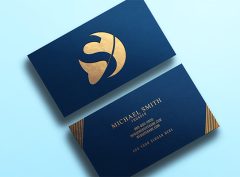
£0.00Foil Business Cards
Foiling adds a touch of elegance by applying a metallic finish to your design using heat, pressure, and glossy UV. With top-tier equipment, we ensure your foil business cards meet the highest standards of quality.
-
 £0.00
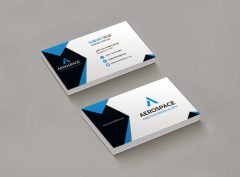
£0.00Laminated Business Cards
Laminated business cards offer sophistication and durability. Gloss lamination enhances vibrancy, Matt lamination provides a sleek, non-reflective finish, and Soft-touch lamination adds a luxurious, velvety feel. Choose the finish that best suits your style and professional image.
-
 £0.00
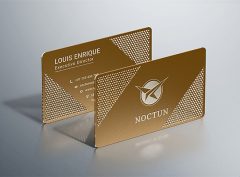
£0.00Metallic Business Cards
We offer the creation of metallic business cards that include a digital card feature, ready for you in just one day. Create a strong impression on your contacts and boost your sales with these unique metallic cards.
-
 £0.00
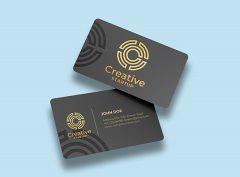
£0.00Spot UV Cards
Spot UV adds a glossy highlight to specific design elements like logos. Our double-shot UV process creates a bold, high-build shine that makes your design stand out.
-
 £0.00
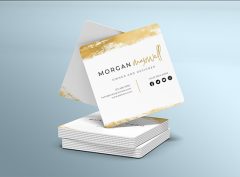
£0.00Square Business Card
Make a bold first impression with square business cards—sleek, modern, and designed to stand out. Whether you’re attending a last-minute event or launching a new brand, speed matters. Our streamlined process takes you from design to delivery fast, without compromising on quality. Choose from professional templates or upload your custom design, then select premium finishes like matte, glossy, or soft-touch velvet. We use high-speed digital presses and quality materials to ensure crisp, vibrant prints with a professional feel.
With same-day printing fast next-day delivery options available, you can have your cards in hand when you need them most. Plus, easy online proofing and fast checkout make the process hassle-free. From clean minimalist styles to bold creative layouts, square business cards are perfect for businesses, creatives, and anyone ready to leave a lasting impression—quickly.
Get printing fast. Look sharp. Be remembered.
-
 £0.00
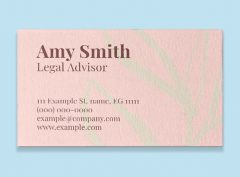
£0.00Textured Business Cards
Textured business cards provide a unique, tactile experience that helps your brand stand out. The canvas-like material adds a premium, artistic touch, signaling creativity and quality. These cards engage the sense of touch while showcasing attention to detail and excellence—qualities that resonate with clients and partners. By incorporating texture into your design, you create a memorable, multi-sensory brand experience.