
Flags are iconic symbols used by nations, organizations, communities, and individuals to represent identity, values, and culture. They serve as visual markers, conveying messages, history, and unity, often without the need for words. From national flags fluttering atop government buildings to small pennants waved during celebrations, flags have a profound significance in human society.
History of Flags
The origins of flags trace back to ancient civilizations. They were first used as standards or banners in warfare to identify military units, leaders, or nations. Early flags were typically made of cloth or animal skins and adorned with symbols, colors, or emblems to distinguish one group from another.
In ancient China and India, flags were used for ceremonial purposes and as royal insignia. Roman legions carried standards, known as vexilla, into battle to rally troops and signify allegiance. By the Middle Ages, flags became widely used across Europe, particularly by knights and noble families, who designed coats of arms and heraldic banners to represent their lineage.
The modern concept of national flags emerged in the 17th and 18th centuries, as states began adopting flags as official emblems of sovereignty. Over time, flags evolved to serve various purposes, including identification, communication, and symbolism.
Elements of Flags
Flags are carefully designed with distinct elements that hold specific meanings. These elements include:
- Colors:
Colors are among the most recognizable and symbolic aspects of a flag. Each color can convey emotions, historical connections, or cultural values. For example:- Red often represents bravery, sacrifice, or revolution.
- Blue symbolizes freedom, peace, or loyalty.
- Green is associated with nature, fertility, or Islam.
- Black can represent strength, unity, or mourning.
- Shapes and Layouts:
Most flags are rectangular, but other shapes, like triangular pennants or swallowtail flags, also exist. The layout of colors, patterns, and symbols varies widely, often reflecting the flag’s origin or purpose. Common designs include:- Horizontal or vertical stripes: Found in flags like Germany or France.
- Crosses: Representing faith, as seen in the Nordic countries’ flags.
- Triangles or chevrons: Often used for dynamic visual effects, like in the flag of South Africa.
- Symbols and Emblems:
Many flags incorporate symbols that hold historical, cultural, or religious significance. For example:- Stars: Represent unity or aspirations, as in the United States flag.
- Crescents: A symbol of Islam, used in flags like Turkey and Pakistan.
- Animals: Lions, eagles, or dragons are used to signify power, courage, or heritage.
- Proportions:
The size and ratio of a flag are standardized to ensure consistency. Most national flags follow a rectangular shape with a specific width-to-length ratio, though exceptions exist, such as the square flags of Switzerland and the Vatican City.
Types of Flags
Flags serve a variety of purposes and are categorized based on their function and usage:
- National Flags:
These represent countries and symbolize their sovereignty, history, and identity. National flags are displayed on government buildings, during international events, and on special occasions such as Independence Day. Examples include the Union Jack (United Kingdom) and the Tricolor (India). - Regional and State Flags:
Subnational entities, such as states, provinces, or regions, often have their own flags. These reflect local heritage, culture, and pride. For example, Texas has its own state flag in the United States, while Scotland’s Saltire represents the Scottish identity. - Military Flags:
Military units use flags for identification and morale. Examples include the standards of ancient Roman legions or modern naval ensigns, which indicate a ship’s nationality. - Religious Flags:
Religious communities use flags to represent their faith or institutions. The Vatican’s flag symbolizes Catholicism, while the Buddhist flag represents global Buddhist communities. - Organizational Flags:
International organizations, NGOs, and corporations often design flags to symbolize their mission and values. For instance, the United Nations flag features a world map encircled by olive branches, signifying peace and unity. - Event Flags:
Special flags are created for events like sports tournaments, festivals, or political movements. Examples include Olympic flags and LGBTQ+ Pride flags. - Decorative and Ceremonial Flags:
Flags are also used for aesthetic or ceremonial purposes, such as bunting at celebrations or banners during parades.
Symbolism and Meaning
Flags are deeply symbolic and often carry profound meanings. They act as visual shorthand for a group’s identity, conveying shared values, history, and aspirations. For example:
- Unity and National Pride: National flags foster a sense of belonging and patriotism. They are prominently displayed during significant events, such as the Olympics or national holidays, and are often draped over coffins of prominent figures as a mark of respect.
- Protest and Revolution: Flags are powerful tools in movements for change. They symbolize resistance and solidarity, such as the red flags of socialism or the black flags used in anarchist movements.
- Cultural Identity: Regional and community flags highlight unique traditions and customs. For example, the rainbow-colored Pride flag represents the LGBTQ+ community’s diversity and fight for equality.
Protocol and Etiquette
Flags are treated with respect and dignity, as they represent collective identities. Flag protocol and etiquette vary by culture but generally include:
- Raising and Lowering:
Flags are often raised at sunrise and lowered at sunset. They may be flown at half-mast as a sign of mourning. - Display Order:
When multiple flags are displayed together, there is an established hierarchy. National flags usually take precedence, followed by regional or organizational flags. - Proper Handling:
Flags should never touch the ground, and damaged or tattered flags should be replaced. In some countries, improper handling of the flag can be considered a criminal offense. - Folding and Storage:
Flags are folded in a specific manner to ensure they are stored respectfully. For example, the U.S. flag is folded into a triangular shape.
Flags in Modern Times
In the digital age, flags continue to play a crucial role in representing identity and values. They are used in virtual spaces, such as emojis and logos, to signify nationality or support for movements. Flags also remain central to international diplomacy, sports, and global events.
Additionally, flag design (vexillology) has become an area of interest for scholars and enthusiasts alike. Good flag design is characterized by simplicity, meaningful symbolism, and strong visual impact. Organizations like the North American Vexillological Association promote principles of effective flag design to inspire modern creations.
Conclusion
Flags are more than just pieces of cloth; they are powerful symbols of identity, unity, and history. Whether flown on a battlefield, displayed at a celebration, or raised in protest, flags capture the essence of human expression and belonging. Their ability to inspire pride, evoke emotion, and convey messages across cultures and borders ensures their enduring relevance in the modern world.
Showing all 6 results
-
 £0.00
£0.00Crest Flags
Crest flags are printed using dye-sublimation for vibrant, long-lasting designs on durable polyester or aero mesh materials, ideal for high-wind areas. With UV resistance lasting over five years, they’re a reliable, stylish choice for promotions or decoration.
-
 £0.00
£0.00Desktop Flag
Desktop Flags A Symbol of Pride and Personalization A desktop flag is more than just a decorative accessory for a workspace—it’s a statement of identity, pride, and sometimes even aspiration. Whether displayed on an office desk, a classroom table, or … Read More -
 £0.00
£0.00Edge Flags
Stand out at your next event with rectangular Edge Flags from ElitePress. Available in three sizes, these lightweight yet durable flags withstand winds up to 18mph. Choose from various base options to suit any surface.
-
 £0.00
£0.00Feather Flags
Our feather flags are the ultimate outdoor advertising solution! Made from durable Aeromesh material, they’re built to withstand the elements while staying vibrant and sharp. Printed on the advanced EFI VUTEk FabriVU 340i+, even XL sizes maintain exceptional colour and clarity. A long-lasting investment, these flags ensure your brand stands tall and gets noticed time and again.
-
 £0.00
£0.00Hand Waving Flags
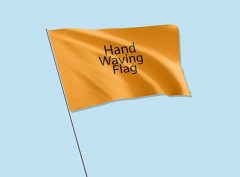
We provide high-quality mini flag printing in full colour for flawless artwork reproduction. Choose between eco-friendly paper flags, printed double-sided, or polyester flags, printed single-sided with a faint mirrored image on the back. Mounted on wooden sticks, our flags help reduce plastic waste while showcasing your brand beautifully.
-
 £0.00
£0.00Teardrop Flags
Our teardrop flags set the standard for outdoor advertising. Made from durable Aeromesh material and printed with advanced EFI VUTEk FabriVU 340i+ technology, they resist weather while showcasing vibrant colours and sharp details. Available in XL sizes, these long-lasting, weatherproof flags ensure your brand stands out season after season.