
Posters: A Powerful Visual Communication Tool
Posters are one of the most impactful and versatile forms of visual communication. Whether displayed on a wall, storefront, or in public spaces, posters have long been used to convey messages quickly and effectively. They can serve various purposes, from promoting events to advertising products, inspiring movements, or simply decorating a space. With their striking visuals, bold typography, and simple design, posters are an excellent medium for communicating messages to a broad audience.
What Are Posters?
A poster is a printed sheet of paper or other material that features a combination of graphics, text, and colors designed to inform, advertise, or entertain. Posters are typically large in size, allowing for greater visibility and impact, especially when displayed in high-traffic areas. The main goal of a poster is to catch the viewer’s attention and convey its message clearly, whether it’s promoting an event, advocating for a cause, or showcasing a product or service.
Posters are highly adaptable and can be created for any occasion or industry. They are commonly seen in public places such as movie theaters, shopping malls, airports, and bus stops, but they are also popular in schools, offices, and homes for various purposes.
Key Features of Posters
- Large Format
- Posters are typically printed in large sizes, making them easy to see from a distance. Common poster sizes include 18″x24″, 24″x36″, and 27″x40″ (for movie posters). The large format allows for more creative freedom in design, as it provides ample space for bold imagery, typography, and messaging.
- Visual Impact
- The most distinguishing feature of posters is their visual appeal. A well-designed poster uses eye-catching graphics, vibrant colors, and engaging typography to draw attention. The combination of visual elements should work together to reinforce the message and make it memorable.
- Concise Messaging
- Posters are meant to convey a message in a short amount of time. Typically, a poster will contain minimal text, as the focus is on visual communication. The message needs to be clear and to the point, using attention-grabbing headlines, call-to-actions, and easy-to-read fonts.
- Variety of Designs
- Posters come in many designs, ranging from minimalist to highly detailed. Depending on their purpose, posters can feature anything from photographs and illustrations to abstract art or simple typography. The design style should match the tone of the message and the audience being targeted.
- Durability and Materials
- Posters are printed on a variety of materials, from standard paper to premium options like glossy or matte finishes. The material choice can affect the overall look and feel of the poster. For outdoor use, posters are often printed on weather-resistant materials such as vinyl or laminated paper to withstand the elements.
Common Uses of Posters
Posters have a wide range of uses, both commercial and non-commercial. Some of the most common applications include:
- Advertising
- Posters are one of the most effective advertising tools, especially for local businesses or events. Advertisers often use posters to promote products, services, sales, or special offers. Movie posters, for example, are used to advertise upcoming films, while concert posters promote live music events.
- Event Promotion
- Whether it’s a concert, festival, conference, or charity event, posters are an excellent way to promote upcoming events. Event posters are often displayed in public spaces such as cafes, libraries, or community centers to generate awareness and attract attendees.
- Awareness Campaigns
- Non-profit organizations and advocacy groups often use posters to raise awareness about important social, political, or environmental issues. These posters can call attention to causes like climate change, public health, civil rights, or animal welfare.
- Educational Purposes
- Posters are widely used in educational settings to promote learning and enhance engagement. Classroom posters can feature educational content, such as the alphabet, historical facts, or inspirational quotes. Additionally, scientific diagrams or motivational posters are used to create a positive learning environment.
- Home Decor
- Many people use posters as decorative items for their homes or offices. Movie posters, art prints, or framed motivational quotes are popular choices for home decor. Posters are an affordable and easy way to personalize a space and express personal style.
- Public Service Announcements
- Government and public health organizations often use posters to inform the public about critical information such as health guidelines, emergency alerts, or safety measures. These posters aim to provide essential information in a way that is easy to understand and visually appealing.
- Political Campaigns
- Posters have long been used in political campaigns to promote candidates, parties, and key messages. Political posters often feature images of the candidate, slogans, and calls for support. These posters can be seen on street corners, billboards, and in public spaces leading up to an election.
- Product Launches
- When introducing a new product or service, companies often use posters to generate buzz and attract customers. Product posters highlight key features, benefits, and pricing, encouraging potential buyers to take action.
Advantages of Using Posters
- High Visibility
- Posters are one of the most effective ways to catch the eye of a large audience. Due to their large size and vibrant visuals, posters stand out and attract attention. When strategically placed in high-traffic areas, posters can reach a wide range of people.
- Cost-Effective
- Compared to other forms of advertising, posters are relatively inexpensive to produce and distribute. Printing posters in bulk allows for cost savings, making them an affordable marketing tool for businesses and organizations of all sizes.
- Versatility
- Posters can be used for nearly any purpose and can be displayed in numerous locations. Their versatility makes them a flexible tool for marketing, education, entertainment, and social change.
- Long-Lasting Impact
- When designed well, posters can leave a lasting impression on the viewer. A striking visual combined with a clear, concise message can be memorable, even after the viewer has moved on.
- Easy Distribution
- Posters can be easily distributed in various public spaces, such as schools, libraries, shops, community centers, and transportation hubs. This ease of distribution helps extend the reach of the message.
- Wide Range of Design Options
- The flexibility in design allows posters to cater to different audiences, whether through minimalist typography, bold graphics, vibrant colors, or more traditional styles. Designers can experiment with different artistic elements to suit the message they wish to convey.
Designing an Effective Poster
- Eye-Catching Visuals
- The design of a poster should prioritize striking visuals that immediately grab attention. High-quality images, bold colors, and engaging graphics help create a lasting impression.
- Clear and Concise Message
- Posters need to communicate a message quickly, so it’s essential to keep the text brief and to the point. The main headline should be large and clear, with supporting details or calls-to-action placed below or around it.
- Hierarchy of Information
- Organize the content of the poster in a way that guides the viewer’s eye from the most important information to the secondary details. Use different font sizes, colors, and placement to create a visual hierarchy.
- Branding and Consistency
- If the poster is for a business or organization, it’s important to ensure that the design aligns with the brand’s identity. Consistent use of brand colors, logos, and fonts reinforces brand recognition and trust.
- Call-to-Action (CTA)
- A successful poster should always have a clear call-to-action, encouraging the viewer to take the next step. This could be visiting a website, purchasing a product, attending an event, or signing up for more information.
- Readable Fonts
- Make sure the fonts are legible from a distance. Avoid overly ornate fonts or ones that are difficult to read, especially for key pieces of information like dates, times, or locations.
Printing and Material Options
Posters can be printed on various materials depending on the desired use and quality. Some common materials include:
- Paper
- Standard posters are typically printed on high-quality paper, with options for gloss, matte, or satin finishes. The choice of paper impacts the final look and durability of the poster.
- Vinyl
- For outdoor posters, vinyl is a popular option due to its weather resistance and durability. Vinyl posters can withstand elements like rain, sun, and wind, making them ideal for street or event marketing.
- Canvas
- Canvas posters have a more textured and premium look, often used for artistic prints or high-end promotional materials. They provide a more upscale, durable option for posters intended for long-term display.
- Foam Board
- Foam board posters are often used for trade shows or displays, providing a sturdy backing for the poster. They are lightweight but durable, ideal for freestanding display.
Conclusion
Posters remain one of the most effective, cost-efficient, and impactful tools for visual communication. Whether used for marketing, education, or artistic expression, posters are a versatile medium that can reach a wide audience. With careful attention to design, message, and placement, a well-crafted poster has the potential to grab attention, convey information, and inspire action. From movie promotions to public service announcements, posters continue to be an essential tool in capturing the attention of people in various contexts and settings.
Showing all 14 results
-
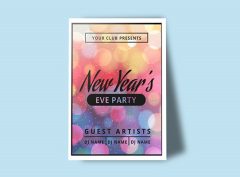 £0.00
£0.0020 X 30 Poster
20×30 posters strike the perfect balance between impact and practicality. Their size offers ample space for eye-catching designs, making them ideal for promoting events, showcasing products, or displaying artwork, all while remaining versatile and easy to handle.
-
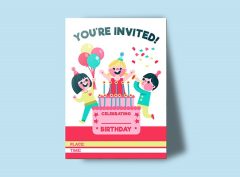 £0.00
£0.0030 X 40 Poster
30×40 posters offer a spacious canvas for intricate designs, vivid images, and bold text, making them perfect for grabbing attention. Ideal for promotions, informational displays, or artwork, their size ensures your visuals make a lasting impression.
-
 £0.00
£0.0040 X 60 Poster
Worried that larger prints mean lower quality? Not with us! Our state-of-the-art EFI digital printing ensures stunning, crystal-clear details in every poster, no matter the size. Plus, we deliver them rolled in tubes for ultimate protection.
-
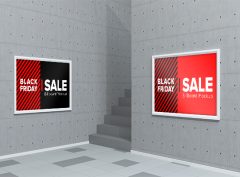 £0.00
£0.00A0 Posters
Ready to steal the spotlight? Our A0 posters are the ultimate attention-grabbers—so massive, they demand to be noticed! Perfect for high-traffic areas, these oversized posters offer a bold canvas to showcase your creativity and ensure your message stands out.
Whether it’s for an eye-catching marketing campaign or a can’t-miss shop sale, our A0 posters are guaranteed to turn heads and leave a lasting impression. Start creating your show-stopping design today with our easy-to-use Design Online Tool!
-
 £0.00
£0.00A1 Poster
Creating an impactful A1 poster requires clear messaging, bold visuals, and effective communication. Define your objective and target audience, then use eye-catching fonts and layouts to emphasise key points. Incorporate white space to avoid clutter, ensuring your design is both captivating and easy to understand.
-
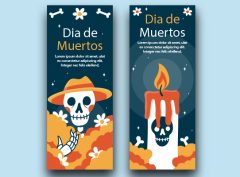 £0.00
£0.00A1 Strip Posters
Creating a striking A1 poster combines creativity and effective communication. Start by defining your message and target audience. Use bold, attention-grabbing fonts and experiment with sizes to highlight key points. Ensure your layout includes plenty of white space to keep it clean and uncluttered. The aim is to captivate your audience while delivering a clear, visually appealing message.
-
 £0.00
£0.00A2 Poster
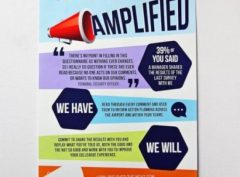
Make a bold statement with our A2 poster printing service. We understand the importance of making a great first impression, and our high-quality prints are designed to captivate your audience.
Choose from a wide range of paper weights and finishes to create the perfect poster for shop windows, exhibitions, galleries, and more. Let your message shine with a product that combines durability and stunning visuals.
-
 £0.00
£0.00A2 Strip Posters
An A2 strip poster print service is a customized form of the standard A2 poster size (16.5 x 23.4 inches or 420 x 594 mm), but with an elongated, vertical design. The ‘strip’ aspect refers to the format, which is narrower and longer than traditional rectangular posters. This unique format allows for greater flexibility in design, making it ideal for eye-catching displays that require a vertical flow, such as tall artwork, event details, or product images.
-
 £0.00
£0.00A3 Posters
Posters are one of the most effective ways to communicate messages, promote products, advertise events, or showcase artwork. While various poster sizes exist, A3 custom poster printing stands out as a versatile, impactful choice for those looking to create attention-grabbing designs. With a size of 297 x 420 mm (11.7 x 16.5 inches), A3 posters provide ample space for dynamic designs without overwhelming the viewer.
-
 £0.00
£0.00A3 Strip Posters
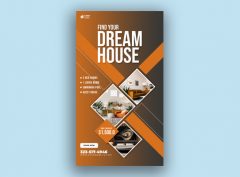
Choosing a poster shouldn’t mean sacrificing quality. With our state-of-the-art large format printers, installed this year, every detail of your design—big or small—is printed with pinpoint precision and vibrant color. Each poster undergoes strict quality checks to ensure flawless results, and they’re carefully rolled into sturdy tubes for maximum protection during delivery. Perfect prints, every time!
-
 £0.00
£0.00A4 Posters
A4 flyers offer ample space to effectively present your message and designs, rendering them ideal for business promotions and events. Utilizing an A4 leaflet allows for the creation of an eye-catching design that is likely to captivate your target audience. We provide printing services for flyers in a range of sizes, styles, and paper finishes, ensuring that your flyer meets your exact specifications.
- Size: A4 (297 x 210 mm)
- Wide range of paper stocks including silk, gloss and uncoated options.
- Banded quantities
- Free standard delivery
- Next-day delivery is available
-
 £0.00
£0.00B0 Poster
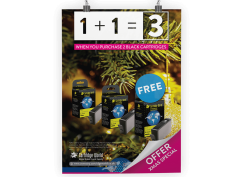
Our large-format poster printing ensures your message gets noticed. Showcase your assets with B0 prints on premium paper stock, delivering a striking display wherever they’re placed. Perfect for grabbing attention and communicating with potential customers effectively.
-
 £0.00
£0.00B2 Poster
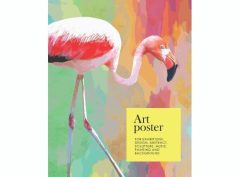
B2 posters are the perfect choice for a wide range of applications, including event promotion to showcase upcoming concerts, festivals, or community events, and site maps to provide clear navigation for venues or large areas. They are also ideal for informational signage to share important details in offices, schools, or public spaces, as well as health and safety posters to highlight guidelines and reminders. For marketing campaigns, B2 posters are excellent for advertising sales, new products, or promotions. They can even be used as indoor décor, creating custom designs like a festive winter wonderland, or as interactive posters to engage audiences with giant word searches or other interactive games.