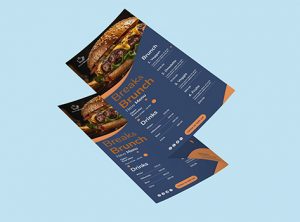
Restaurant Menu Printing: The Gateway to Memorable Dining Experiences
A restaurant menu is more than just a list of dishes; it’s a powerful marketing tool that influences customer decisions and reflects a restaurant’s brand identity. Professional menu printing plays a critical role in creating an appealing, durable, and practical menu that enhances the overall dining experience. Whether you’re launching a new eatery or updating your existing menu, investing in high-quality menu printing is essential.
This guide explores everything about restaurant menu printing, from its importance and types to design tips, materials, and finishes.
What Is Restaurant Menu Printing?
Restaurant menu printing involves producing high-quality, customized menus that align with a restaurant’s branding and operational needs. A well-printed menu serves several purposes:
- Brand Representation: Reflects the restaurant’s theme, cuisine, and atmosphere.
- Customer Engagement: Encourages diners to explore and try new dishes.
- Marketing Tool: Highlights signature dishes, promotions, and special offers.
- Functional Guide: Provides clear and organized information about the food and drink options.
Menus come in various formats, including:
- Single-Page Menus: Ideal for concise menus or casual settings like cafes.
- Multi-Page Menus: Perfect for extensive menus with various sections.
- Folded Menus: Compact and organized for delivery, takeout, or in-house use.
- Disposable Menus: Cost-effective for one-time or seasonal use, particularly post-pandemic.
Why Is Professional Menu Printing Important?
Professional printing elevates a menu’s appeal and usability. Here’s why it matters:
- First Impressions Matter
The menu is often the first point of interaction between a customer and a restaurant. A beautifully designed and well-printed menu creates a positive impression and sets expectations for the dining experience. - Brand Consistency
A professionally printed menu reinforces a restaurant’s brand identity by incorporating its logo, color scheme, and design elements. - Enhanced Durability
High-quality printing ensures that menus withstand frequent handling, spills, and wear, especially in busy restaurants. - Improved Readability
Clear fonts, vibrant colors, and sharp images make it easier for customers to browse and choose items. - Adaptability
With professional printing, you can create specialized menus, such as seasonal offerings, limited-time promotions, or event-specific options.
Types of Restaurant Menus
Restaurant menu printing can cater to various formats and purposes:
- Dine-In Menus
- Typically printed on sturdy materials to endure frequent use.
- Often multi-page or laminated for durability and easy cleaning.
- Takeout Menus
- Compact, foldable, and lightweight for easy distribution.
- Designed to include contact details, delivery options, and clear item descriptions.
- Digital QR Code Menus
- Printed cards or table displays with QR codes linking to an online menu.
- An eco-friendly option, popular in modern and tech-savvy restaurants.
- Tabletop Menus
- Smaller menus or inserts highlighting specials, desserts, or drinks.
- Typically printed on cardstock or with a tent-card design.
- Special Occasion Menus
- Printed for events like Valentine’s Day, Mother’s Day, or private functions.
- Often feature premium finishes for a luxurious look.
- Disposable Menus
- Cost-effective, single-use menus printed on thin paper.
- Ideal for casual dining, high-turnover restaurants, or health safety considerations.
Key Design Considerations for Menu Printing
A well-designed menu combines aesthetics with functionality. Here are the top design elements to consider:
- Menu Layout
- Organize items into logical sections (e.g., appetizers, mains, desserts, drinks).
- Use headings and subheadings for clarity.
- Fonts and Typography
- Choose readable fonts that align with your restaurant’s theme.
- Avoid overly decorative fonts that may be hard to read.
- Colors and Branding
- Incorporate your brand colors and logo.
- Use color psychology to influence appetite; for example, red and yellow are known to stimulate hunger.
- Imagery and Graphics
- High-quality photos of dishes can entice customers but should be used sparingly.
- Use illustrations or icons for a minimalist and modern touch.
- Descriptions and Pricing
- Provide concise, descriptive text that highlights unique ingredients or preparation methods.
- Ensure pricing is clear and consistent.
- Call-to-Action (CTA)
- Add CTAs like “Ask about our specials” or “Follow us on social media” to engage customers further.
Materials for Menu Printing
Choosing the right material ensures that menus are durable, visually appealing, and functional. Common materials include:
- Paper Stock
- Matte Paper: Offers a smooth and elegant finish.
- Glossy Paper: Enhances colors and adds a shiny, polished look.
- Cardstock
- Thicker and more durable than regular paper, ideal for dine-in menus or tabletop cards.
- Laminated Menus
- Sealed with a protective layer to resist spills and stains.
- Easy to clean, making them perfect for high-traffic restaurants.
- Synthetic Materials
- Waterproof and tear-resistant options for outdoor dining or beachside cafes.
- Recycled Paper
- Eco-friendly and sustainable, appealing to environmentally conscious diners.
Finishes and Printing Techniques
Adding the right finish enhances the menu’s appearance and usability. Popular options include:
- Gloss Lamination: Adds a shiny and reflective surface for a vibrant look.
- Matte Lamination: Provides a non-reflective, sophisticated finish.
- Spot UV Coating: Highlights specific areas, such as the logo or dish names.
- Embossing and Foiling: Adds texture or metallic accents for a premium feel.
- Die-Cutting: Creates unique shapes or cutouts for a distinctive look.
Benefits of Professional Menu Printing
- Durability: Ensures menus last longer, reducing replacement costs.
- Customizability: Tailored designs to reflect the restaurant’s identity.
- Cost-Effectiveness: Bulk printing lowers the overall cost per menu.
- Consistency: Professional printers deliver consistent colors, finishes, and quality.
Tips for Successful Menu Printing
- Test Your Design: Print a sample to check for readability, layout, and color accuracy.
- Use High-Resolution Files: Ensure images and graphics are at least 300 DPI for sharp printing.
- Incorporate Seasonal Updates: Keep menus fresh by updating them with new items or specials.
- Collaborate with Professionals: Work with experienced printers to achieve the best results.
Conclusion
Restaurant menu printing is an essential aspect of running a successful dining establishment. A professionally printed menu not only showcases your offerings but also enhances the customer experience and reinforces your brand identity. By focusing on quality materials, thoughtful design, and effective printing techniques, you can create menus that leave a lasting impression on diners.
Whether you’re looking to print dine-in menus, takeout options, or event-specific designs, investing in professional menu printing is a smart decision that pays off in customer satisfaction and loyalty.
Would you like assistance with menu design, printing recommendations, or exploring creative ideas for your restaurant? Let me know!