Stationery Printing: A Comprehensive Overview
Stationery printing is an essential service that combines functionality and branding, offering businesses, organizations, and individuals customized printed materials for communication, marketing, and organizational purposes. From letterheads and business cards to envelopes and notepads, printed stationery is not just a tool for correspondence but also a means of establishing a professional image, fostering brand identity, and creating a lasting impression.
Importance of Stationery Printing
- Professionalism and Credibility
Printed stationery conveys professionalism and attention to detail. A well-designed letterhead or business card suggests a commitment to quality, which reflects positively on a company or individual. It reassures clients and partners of your reliability. - Brand Identity
Consistent branding across all printed materials helps reinforce your business’s identity. By incorporating elements such as your logo, brand colors, and typography, stationery becomes an extension of your brand. This creates a cohesive and memorable experience for recipients. - Enhanced Communication
Customized stationery can streamline communication, ensuring correspondence looks polished and is easy to identify. For example, pre-printed letterheads save time and effort while presenting information in a clean, structured format. - Marketing and Networking
Business cards and personalized notepads serve as subtle marketing tools. A thoughtfully designed card handed out at networking events can leave a lasting impression, keeping your brand top of mind.
Common Types of Stationery Printing
Stationery printing encompasses a wide variety of products tailored to meet diverse needs. Some of the most common items include:
- Letterheads
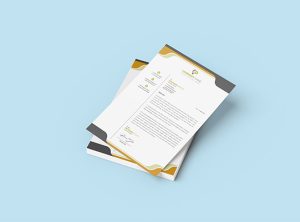
Printed letterheads are a staple for professional correspondence. They typically feature a company’s logo, name, address, and contact details. High-quality paper and printing methods, such as embossing or foil stamping, can add a touch of elegance. - Business Cards
Business cards are perhaps the most critical stationery item for networking. Available in various materials like cardstock, plastic, or even metal, they can be customized with unique finishes such as UV coating, spot gloss, or textured designs. - Envelopes
Custom-printed envelopes enhance the presentation of letters, invitations, and other documents. They can be branded with logos, return addresses, and unique designs to ensure the recipient immediately recognizes the sender. - Notepads and Memo Pads
Personalized notepads serve both practical and promotional purposes. They are ideal for jotting down notes during meetings or for giving away as branded gifts. - Presentation Folders
These are used to organize and present important documents professionally. Custom-printed folders can include logos, taglines, and other branding elements to create a cohesive look. - Invitation Cards
For events like business launches, conferences, or weddings, customized invitation cards help set the tone and reflect the occasion’s theme. - Labels and Stickers
Printed labels and stickers are versatile stationery items used for packaging, branding, or organizing office supplies. - Thank-You Cards
Personalized thank-you cards are a thoughtful way to express gratitude to clients, customers, or colleagues. They add a personal touch to professional relationships.
Printing Techniques Used in Stationery Production
The choice of printing technique greatly influences the final look and feel of your stationery. Here are some commonly used methods:
- Offset Printing
Offset printing is ideal for large-scale stationery production due to its superior color accuracy and cost-efficiency for bulk orders. It provides sharp, vibrant results and works well on various paper types. - Digital Printing
For smaller quantities or projects requiring quick turnaround, digital printing is a great option. It offers high-quality results with the flexibility to customize each piece (e.g., adding unique names or addresses). - Letterpress Printing
This traditional method involves pressing designs into paper, creating a tactile, embossed effect. It’s often used for luxury stationery such as business cards and wedding invitations. - Foil Stamping
Foil stamping adds a metallic finish, typically in gold or silver, for an elegant and eye-catching look. It’s popular for letterheads, invitations, and business cards. - Embossing and Debossing
These techniques create raised (embossed) or recessed (debossed) designs on the surface of the stationery, adding texture and sophistication. - Screen Printing
Ideal for non-paper materials such as fabric or plastic, screen printing allows for vibrant, durable designs.
Design Considerations for Stationery Printing
Creating effective stationery requires careful planning and attention to detail. Key factors to consider include:
- Brand Consistency
Use consistent colors, fonts, and logos across all stationery items to reinforce brand identity. - Material Selection
The quality of paper or other materials impacts the overall perception of your stationery. Options range from standard office paper to premium textured or recycled paper. - Layout and Readability
A clean and organized design ensures that essential information is easy to locate and read. Avoid overcrowding with excessive text or graphics. - Customization
Personal touches, such as adding the recipient’s name or unique messaging, can make stationery more engaging and memorable. - Sustainability
Eco-friendly printing options, such as soy-based inks or recycled paper, are increasingly popular for their minimal environmental impact.
Applications of Stationery Printing
Stationery printing is widely used across various industries and contexts, including:
- Corporate Use: Businesses use printed stationery for correspondence, marketing, and presentations.
- Events: Custom invitations, programs, and thank-you cards are essential for weddings, conferences, and other special occasions.
- Educational Institutions: Schools and universities require printed materials like certificates, letterheads, and envelopes.
- Personal Use: Individuals use custom stationery for personal notes, invitations, and holiday cards.
Trends in Stationery Printing
The stationery printing industry continues to evolve, incorporating modern design trends and innovative technologies:
- Minimalist Designs
Clean, minimalist aesthetics with ample white space are popular for their timeless appeal. - Bold Typography
Eye-catching fonts and creative typography are often used to make a statement. - Eco-Friendly Options
Sustainable printing practices and materials are increasingly in demand as businesses and individuals seek to reduce their environmental impact. - Interactive Features
QR codes and NFC-enabled business cards are being integrated into stationery to bridge the gap between physical and digital communication. - Special Finishes
Techniques like foil stamping, embossing, and UV coating are being used to create visually striking stationery.
Conclusion
Stationery printing is more than just producing paper products; it’s about crafting a visual identity that communicates professionalism, enhances branding, and fosters meaningful connections. By understanding the various types, techniques, and design considerations, you can create stationery that leaves a lasting impression on clients, partners, and recipients. Whether you’re a business owner, event planner, or individual, investing in quality stationery printing can significantly elevate your communication and branding efforts.